
NDRMF Advocates a Shift from Disaster Response to Anticipatory Action and Resilience Financing
At the 29th Sustainable Development Conference (SDC) #2026, organised by the Sustainable Development Policy Institute (Sustainable Development Policy Institute (SDPI) under the theme “Rethinking Development in an Age of Disruption,” highlighted the importance of integrating DRR, anticipatory planning and preparedness financing into Pakistan’s development priorities.
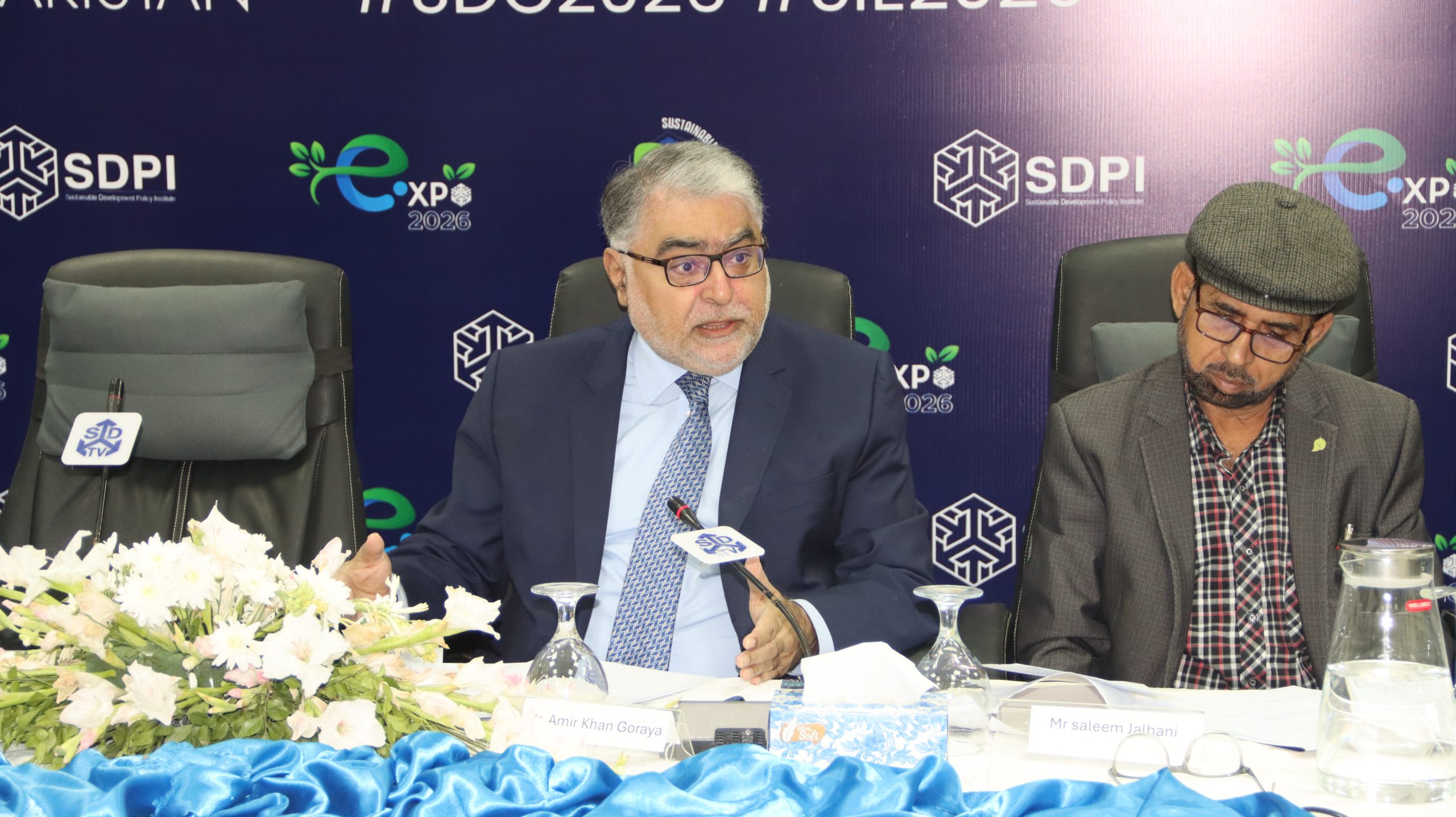
Speaking at the session “Living with Disasters: Understanding Risks, Anticipatory Planning and Financing for Preparedness,” Mr. Amir Khan Goraya, CEO, NDRMF, underscored the need to move beyond traditional disaster response towards a comprehensive, risk-informed development approach that anticipates threats, reduces vulnerabilities and protects development gains.
Highlighting NDRMF’s work on the (#NatCat), he stressed that credible hazard assessments, exposure data and vulnerability analysis are fundamental to identifying risks and prioritising investments.
However, 𝘳𝘪𝘴𝘬 𝘪𝘯𝘧𝘰𝘳𝘮𝘢𝘵𝘪𝘰𝘯 𝘮𝘶𝘴𝘵 𝘵𝘳𝘢𝘯𝘴𝘭𝘢𝘵𝘦 𝘪𝘯𝘵𝘰 𝘱𝘳𝘢𝘤𝘵𝘪𝘤𝘢𝘭 𝘥𝘦𝘤𝘪𝘴𝘪𝘰𝘯𝘴 𝘵𝘩𝘳𝘰𝘶𝘨𝘩 𝘴𝘵𝘳𝘰𝘯𝘨𝘦𝘳 𝘭𝘪𝘯𝘬𝘢𝘨𝘦𝘴 𝘸𝘪𝘵𝘩 𝘦𝘢𝘳𝘭𝘺 𝘸𝘢𝘳𝘯𝘪𝘯𝘨 𝘴𝘺𝘴𝘵𝘦𝘮𝘴, 𝘢𝘯𝘵𝘪𝘤𝘪𝘱𝘢𝘵𝘰𝘳𝘺 𝘢𝘤𝘵𝘪𝘰𝘯, 𝘥𝘦𝘷𝘦𝘭𝘰𝘱𝘮𝘦𝘯𝘵 𝘱𝘭𝘢𝘯𝘯𝘪𝘯𝘨 𝘢𝘯𝘥 𝘧𝘪𝘯𝘢𝘯𝘤𝘪𝘢𝘭 𝘮𝘦𝘤𝘩𝘢𝘯𝘪𝘴𝘮𝘴.
On disaster risk financing, he emphasized importance of contingency financing, forecast-based financing, shock-responsive social protection, insurance and strategic partnerships. He also highlighted
𝘵𝘩𝘦 𝘯𝘦𝘦𝘥 𝘵𝘰 𝘵𝘳𝘢𝘯𝘴𝘭𝘢𝘵𝘦 𝘗𝘢𝘬𝘪𝘴𝘵𝘢𝘯’𝘴 𝘕𝘢𝘵𝘪𝘰𝘯𝘢𝘭 𝘋𝘪𝘴𝘢𝘴𝘵𝘦𝘳 𝘙𝘪𝘴𝘬 𝘍𝘪𝘯𝘢𝘯𝘤𝘪𝘯𝘨 𝘚𝘵𝘳𝘢𝘵𝘦𝘨𝘺 2024–2034 𝘪𝘯𝘵𝘰 𝘢𝘤𝘵𝘪𝘰𝘯𝘢𝘣𝘭𝘦 𝘪𝘯𝘴𝘵𝘪𝘵𝘶𝘵𝘪𝘰𝘯𝘢𝘭 𝘢𝘯𝘥 𝘧𝘪𝘯𝘢𝘯𝘤𝘪𝘯𝘨 𝘢𝘳𝘳𝘢𝘯𝘨𝘦𝘮𝘦𝘯𝘵𝘴.
Reaffirming NDRMF’s role as a national financing institution, he highlighted its commitment to supporting DRR, climate resilience, institutional capacity and risk-informed investments, while ensuring that financing reaches vulnerable communities.
The central message: 𝘗𝘢𝘬𝘪𝘴𝘵𝘢𝘯 𝘮𝘶𝘴𝘵 𝘪𝘯𝘷𝘦𝘴𝘵 𝘪𝘯 𝘱𝘳𝘦𝘱𝘢𝘳𝘦𝘥𝘯𝘦𝘴𝘴 𝘣𝘦𝘧𝘰𝘳𝘦 𝘥𝘪𝘴𝘢𝘴𝘵𝘦𝘳𝘴 𝘰𝘤𝘤𝘶𝘳, 𝘦𝘯𝘴𝘶𝘳𝘦 𝘳𝘪𝘴𝘬 𝘪𝘯𝘧𝘰𝘳𝘮𝘢𝘵𝘪𝘰𝘯 𝘨𝘶𝘪𝘥𝘦𝘴 𝘥𝘦𝘷𝘦𝘭𝘰𝘱𝘮𝘦𝘯𝘵 𝘥𝘦𝘤𝘪𝘴𝘪𝘰𝘯𝘴, 𝘢𝘯𝘥 𝘮𝘢𝘬𝘦 𝘳𝘦𝘴𝘪𝘭𝘪𝘦𝘯𝘤𝘦 𝘢𝘯 𝘪𝘯𝘵𝘦𝘨𝘳𝘢𝘭 𝘱𝘢𝘳𝘵 𝘰𝘧 𝘩𝘰𝘸 𝘵𝘩𝘦 𝘤𝘰𝘶𝘯𝘵𝘳𝘺 𝘱𝘭𝘢𝘯𝘴, 𝘪𝘯𝘷𝘦𝘴𝘵𝘴 𝘢𝘯𝘥 𝘧𝘪𝘯𝘢𝘯𝘤𝘦𝘴 𝘪𝘵𝘴 𝘧𝘶𝘵𝘶𝘳𝘦.
𝘗𝘳𝘦𝘱𝘢𝘳𝘦𝘥𝘯𝘦𝘴𝘴 𝘪𝘴 𝘯𝘰𝘵 𝘢𝘯 𝘦𝘹𝘱𝘦𝘯𝘥𝘪𝘵𝘶𝘳𝘦 𝘸𝘦 𝘤𝘢𝘯 𝘥𝘦𝘧𝘦𝘳; 𝘪𝘵 𝘪𝘴 𝘢𝘯 𝘪𝘯𝘷𝘦𝘴𝘵𝘮𝘦𝘯𝘵 𝘪𝘯 𝘱𝘳𝘰𝘵𝘦𝘤𝘵𝘪𝘯𝘨 𝘭𝘪𝘷𝘦𝘴, 𝘭𝘪𝘷𝘦𝘭𝘪𝘩𝘰𝘰𝘥𝘴 𝘢𝘯𝘥 𝘥𝘦𝘷𝘦𝘭𝘰𝘱𝘮𝘦𝘯𝘵.
(04 November, 2026)